De psychologie achter gokken Waarom we het blijven doen
De psychologie achter gokken Waarom we het blijven doen
De aantrekkingskracht van gokken
Gokken heeft een unieke aantrekkingskracht die veel mensen naar de speelhallen en online casino’s trekt. De combinatie van spanning, risico en de mogelijkheid om snel te winnen, maakt gokken bijzonder intrigerend. Wanneer mensen gokken, ervaren ze een rush van adrenaline, wat leidt tot een gevoel van euforie. Dit gevoel kan verslavend zijn, omdat het een ontsnapping biedt aan de dagelijkse sleur en stress van het leven. Voor wie meer informatie wil, kan de website https://trueflipcasino.net/nl/ nuttig zijn.
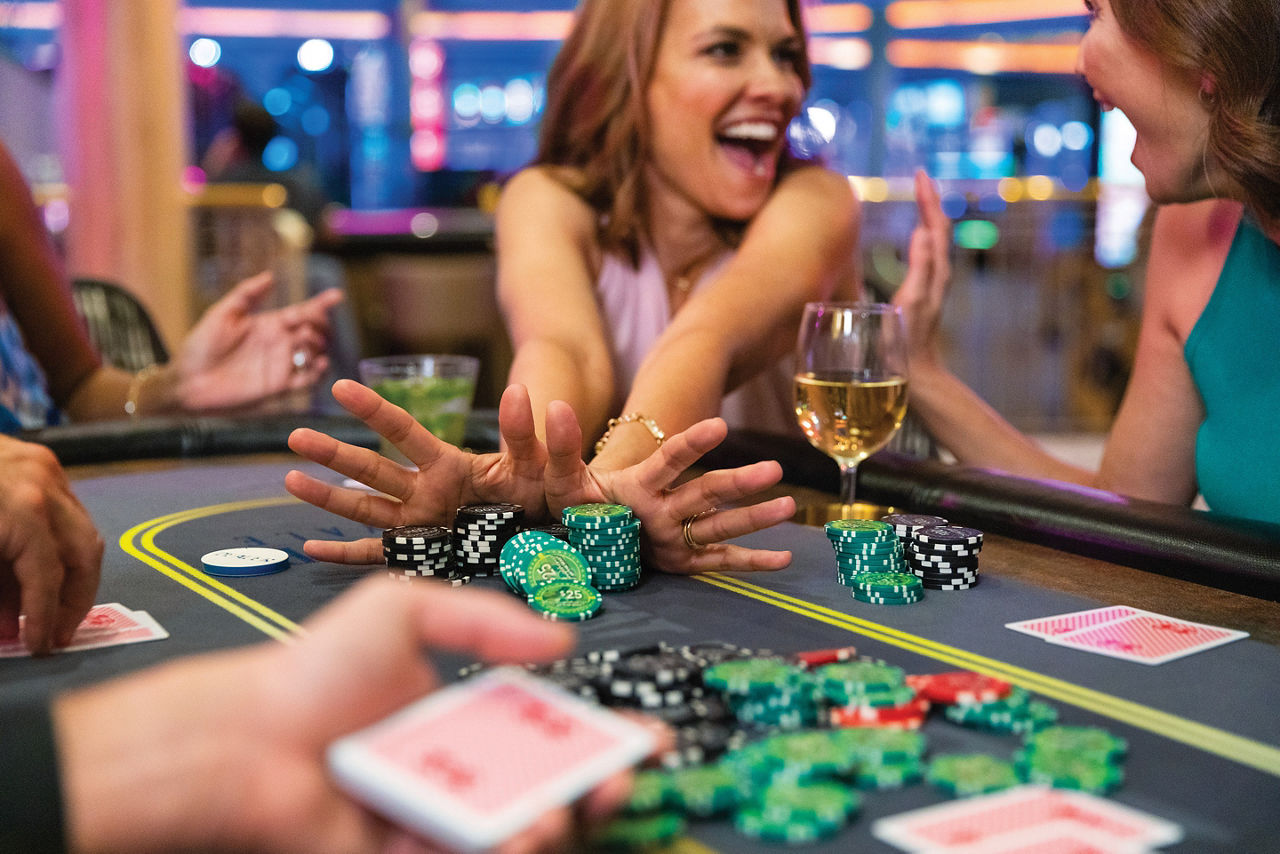
Daarnaast speelt de sociale interactie een belangrijke rol in de aantrekkingskracht van gokken. Veel mensen gokken samen met vrienden of in groepsverband, wat een gevoel van saamhorigheid creëert. De gezelligheid en de opwinding van samen winnen of verliezen kunnen de ervaring des te aantrekkelijker maken. Dit sociale aspect versterkt de psychologische aantrekkingskracht van gokken, waardoor spelers eerder geneigd zijn om terug te keren.
Ook de marketingstrategieën van casino’s spelen een cruciale rol. Aantrekkelijke bonussen, gratis spins en andere prikkels zijn ontworpen om nieuwe spelers aan te trekken en bestaande spelers te behouden. Deze aanbiedingen creëren een gevoel van urgentie en kunnen spelers aansporen om te gokken, zelfs als ze van tevoren niet van plan waren om te spelen. Hierdoor wordt de cirkel van gokken verder versterkt.
De rol van verslaving
Gokken kan voor sommige mensen leiden tot problematisch gedrag en verslaving. Het brein reageert op de beloningen die verband houden met winnen, waardoor spelers steeds meer behoefte krijgen aan die positieve ervaringen. Dit kan resulteren in een vicieuze cirkel waarbij de speler steeds meer gaat gokken om dezelfde hoge van de overwinning te ervaren. Het negatieve effect van verlies wordt vaak genegeerd of geminimaliseerd door de hoop op een toekomstige winst.
Verslaving aan gokken kan ernstige gevolgen hebben voor het leven van een persoon. Financiële problemen, relatieproblemen en een verslechtering van de mentale gezondheid zijn vaak het resultaat van excessief gokken. Veel mensen erkennen niet dat ze een probleem hebben totdat het te laat is, wat het moeilijk maakt om hulp te zoeken. Dit toont aan hoe insidieus en destructief de verslaving kan zijn.
Het begrijpen van de psychologische mechanismen achter deze verslaving is essentieel voor zowel spelers als hun omgeving. Bewustzijn van de risico’s en de signalen van problematisch gokken kan helpen bij het voorkomen van een verslaving. Het creëren van een ondersteunend netwerk en het zoeken naar professionele hulp zijn stappen die de kans op herstel kunnen vergroten.
De invloed van emoties en gedachten
Onze emoties en gedachten hebben een grote impact op ons gokgedrag. Stress, angst en zelfs verveling kunnen mensen aanzetten tot gokken. Het gebruik van gokken als een manier om negatieve emoties te ontsnappen, kan tijdelijk verlichting bieden, maar leidt vaak tot grotere problemen op de lange termijn. Het is belangrijk om te begrijpen dat deze emoties ook het oordeel en de besluitvorming kunnen beïnvloeden, wat kan leiden tot impulsieve en onverstandige gokkeuzes.
Daarnaast geloven veel spelers in zogenaamde «gokstrategieën» of bijgeloof. Dit kan variëren van het dragen van geluksvoorwerpen tot het volgen van specifieke rituelen voor elke speelsessie. Deze overtuigingen kunnen spelers motiveren om door te gaan met gokken, zelfs als de kansen tegen hen zijn. Het zijn vaak deze irrationaliteiten die de psychologische aantrekkingskracht van gokken versterken.
Zelfreflectie en bewustwording van deze gedachten zijn belangrijke stappen in het beheersen van gokgedrag. Door te erkennen wanneer emoties de overhand krijgen, kunnen spelers betere beslissingen nemen en hun gokgedrag onder controle houden. Dit vereist vaak een diepere duik in de eigen psyche en kan een uitdaging zijn, maar het is een cruciale stap naar verantwoord gokken.
De rol van de omgeving
De omgeving speelt een belangrijke rol in het gokgedrag van individuen. In sommige culturen wordt gokken als sociaal acceptabel of zelfs als een vorm van vermaak gezien. Dit kan de druk op individuen verhogen om deel te nemen aan gokactiviteiten, zelfs als ze daar van tevoren niet voor gekozen zouden hebben. De sociale omgeving kan dus een grote invloed hebben op de besluitvorming en het gokgedrag van een persoon.
Bovendien, de toegankelijkheid van gokken heeft in de afgelopen jaren enorm toegenomen door de opkomst van online casino’s. Dit maakt het gemakkelijker voor mensen om te gokken, vaak zonder de sociale controle die fysiek gokken met zich meebrengt. De anonimiteit van online gokken kan leiden tot hogere inzetten en een groter risico op problematisch gedrag.
Om een gezonde relatie met gokken te behouden, is het belangrijk om bewust te zijn van deze externe invloeden. Het creëren van een ondersteunende omgeving waarin verantwoord gokken wordt aangemoedigd, kan het risico op problematisch gedrag verminderen. Dit omvat open gesprekken over de gevaren van gokken en het delen van persoonlijke ervaringen en uitdagingen.

True Flip Casino en verantwoord gokken
True Flip Casino biedt een uitgebreide online speelervaring met een focus op verantwoord gokken. Het platform moedigt spelers aan om zich bewust te zijn van hun gokgedrag en biedt verschillende tools om dit te ondersteunen. Dit omvat limieten voor stortingen en inzetten, evenals mogelijkheden voor zelfuitsluiting. Deze initiatieven helpen spelers om hun gokervaring onder controle te houden en eventuele verslavende neigingen te identificeren.
Daarnaast biedt True Flip Casino ook educatieve bronnen aan over de risico’s van gokken en de tekenen van problematisch gedrag. Dit is een belangrijke stap in het bevorderen van verantwoordelijk gokken. Spelers worden aangemoedigd om de beschikbare informatie te gebruiken om beter geïnformeerde beslissingen te nemen over hun speelgedrag.
Het doel van True Flip Casino is niet alleen om een spannende spelervaring te bieden, maar ook om een veilige en verantwoorde omgeving te creëren voor alle spelers. Dit omvat een continue dialoog over de psychologische aspecten van gokken en het belang van zelfbewustzijn. Door deze benadering hoopt True Flip Casino bij te dragen aan een duurzamere en aangenamere speelervaring voor iedereen.